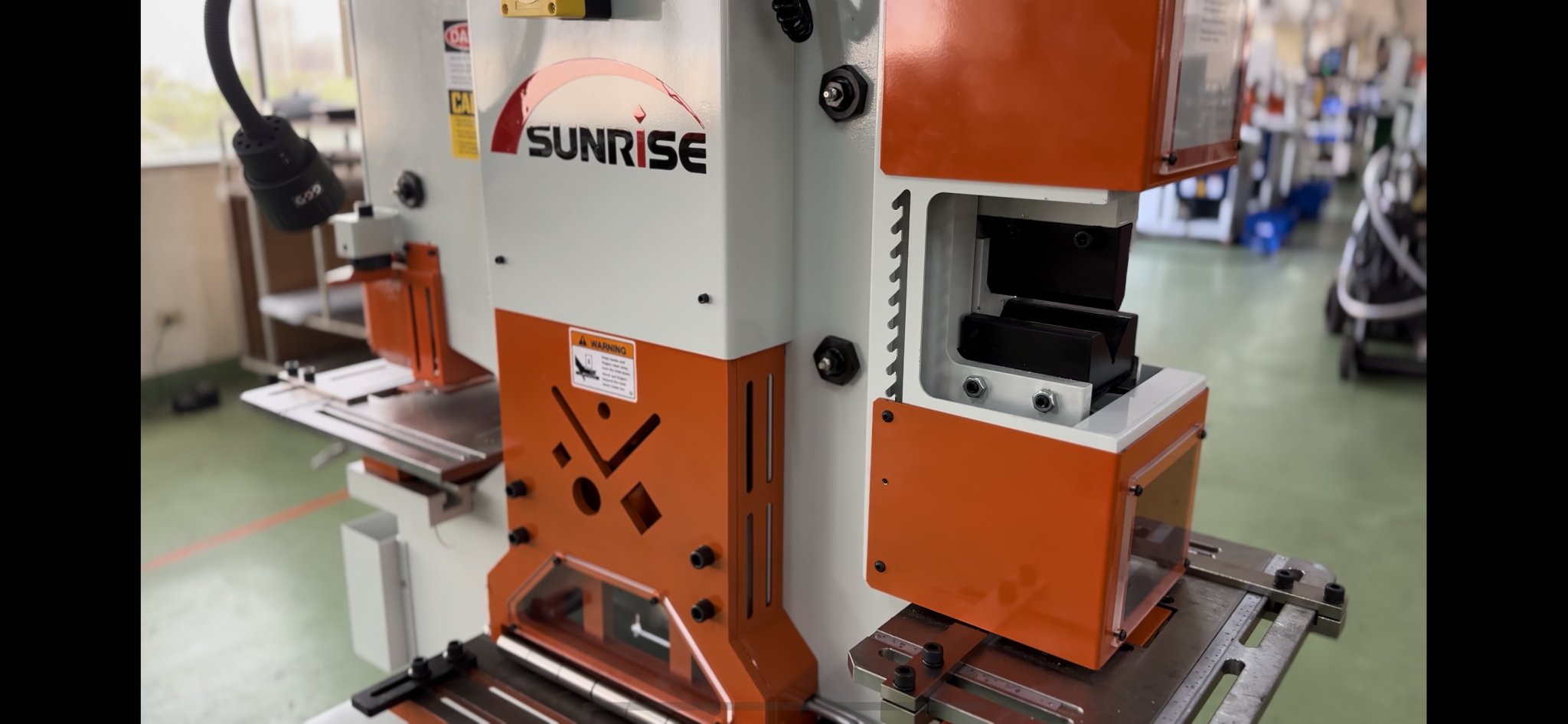

Looking ahead to 2026, metal fabrication is entering a period of measurable change driven by economic shifts, smarter automation, and customer expectations for faster, greener production. This transformation isn’t just about incremental improvements; it’s about fundamental shifts in how shops operate and compete. This article pulls together the trends we see at American Punch Company as a long-time supplier of punches, dies, and shear blades and what those trends mean for shops and manufacturers. You’ll get a clear view of economic forecasts, the practical impact of automation and AI, and sustainability practices that matter. We’ll also cover workforce pressures and the growing need for streamlined tooling solutions. By the end, you’ll have a usable picture of where the industry is headed and how to prepare.
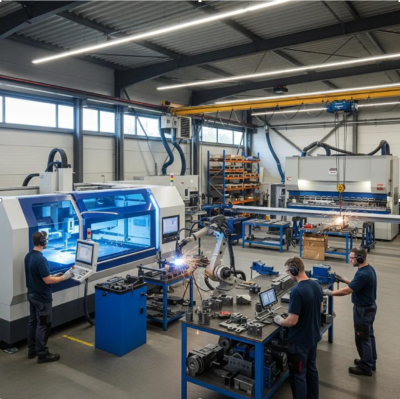 What economic and market forces will shape metal fabrication in 2026?
Several factors will shape the metal fabrication landscape in 2026: GDP growth and infrastructure spending, trade policy shifts, and demand from key sectors like construction and automotive. Most analysts expect moderate industry growth, supported by public and private investment in infrastructure and a steady rebound in manufacturing. This includes significant projects in transportation, utilities, and public works. As a result, demand for steel, a core fabrication input, should rise modestly in line with these trends, reflecting a stable yet evolving market.
How will U.S. and global steel demand change in 2026?
U.S. steel demand is forecast to grow roughly 1–2% annually in 2026, driven by infrastructure projects and construction. This growth is particularly evident in sectors like bridge repair, new commercial buildings, and renewable energy installations. On the global side, demand is expected to climb about 1.5–2%, especially in emerging markets where urbanization and industrial projects continue to fuel significant consumption. Public investment and a recovering automotive sector are key drivers behind these figures, indicating a steady expansion.
What impact will trade policy and supply chain shifts have on fabrication?
Trade rules and supply-chain shifts are shaping sourcing, pricing, and lead times. Tariffs and changing trade agreements have encouraged some reshoring and bolstered domestic production, which can ease certain supply risks but also affect prices. Manufacturers are increasingly looking to regionalize their supply chains to reduce transit times and mitigate geopolitical risks. Recent global disruptions have pushed manufacturers to diversify suppliers and build more resilient sourcing strategies, often involving dual-sourcing or maintaining higher safety stock levels.
American Punch Company, with a broad in-stock inventory and same-day shipping options, helps customers bridge short-term gaps and maintain production flow when supply chains tighten, offering a reliable domestic alternative.
How are automation, robotics, and AI changing metalworking?
Automation, robotics, and AI are moving from pilots into everyday shop use. These technologies boost repeatability, reduce cycle times, and let teams scale output without a linear increase in labor. They are transforming everything from material handling to welding and finishing. The biggest gains come from combining reliable tooling with automated cells and AI-driven scheduling or maintenance, creating highly efficient and adaptive production environments.
How does AI improve precision and efficiency in tooling?
AI helps by spotting patterns in machine data, predicting wear, and recommending maintenance before parts fail. This predictive approach cuts downtime and stretches tool life, moving from reactive repairs to proactive prevention. Beyond maintenance, AI also informs tool design and process settings, analyzing vast datasets to optimize parameters for specific materials and geometries. This helps manufacturers run closer to optimal parameters and produce parts with tighter tolerances, reducing material waste and improving overall product quality.
How are robotics and CNC automation advancing ironworker tooling?
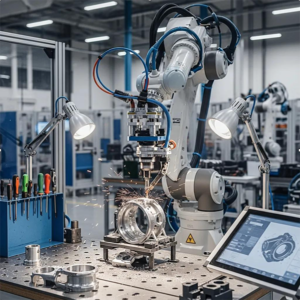 Robotics and CNC systems make ironworker tooling faster and more consistent. Automated cells handle repetitive, heavy, or dangerous tasks such as loading, unloading, and precise punching or shearing, maintaining accuracy over long runs. This frees skilled operators for set-ups, programming, and quality control, allowing them to focus on higher-value activities. Meanwhile, robotic arms and advanced CNCs enable more intricate cuts, complex bending, and faster cycle times, significantly boosting throughput with improved safety and reduced human error.
Which industry sectors will drive demand for metalforming and structural tooling in 2026?
Demand will come largely from construction, automotive (including EVs), and renewable energy. Each sector has distinct tooling needs — from heavy structural punches for steel framing to precision dies for thin-gauge automotive components. These industries are undergoing significant transformations, directly impacting the types and specifications of tooling required.
How do infrastructure and construction projects influence tooling needs?
Major infrastructure and building projects, such as new bridges, commercial complexes, and public transit systems, require durable, high-capacity tooling and reliable supply. As public and private construction activity ramps up, fabricators must offer robust standard and custom tooling solutions that stand up to long runs and heavy use, often involving thick-gauge steel and complex structural components. This includes specialized punches for beam and channel fabrication, precisely the sort of custom work American Punch Company supports with its engineering expertise.
What are the metalforming predictions for automotive and EV manufacturing?
The automotive sector and EV production in particular will increase demand for advanced metalforming tooling. The shift to electric vehicles necessitates lighter materials like aluminum alloys and high-strength steels, along with complex component geometry for battery enclosures and structural frames. This pushes tooling designers to adapt; that means more specialized punches and dies built for new materials and production methods, often requiring tighter tolerances and innovative forming techniques. Shops that invest in the right tooling and expertise will be better positioned to serve OEMs and tier suppliers in this rapidly evolving market.
What sustainable manufacturing practices will shape metal fabrication?
Sustainability is becoming a core business consideration, not just a compliance checkbox. Manufacturers are reducing waste, improving energy efficiency, and choosing materials and coatings that lower environmental impact. These choices can cut operating costs, enhance brand reputation, and strengthen customer relationships as buyers increasingly prefer greener supply chains and products with a lower carbon footprint.
What are the benefits of using eco-friendly coatings in tooling?
Eco-friendly coatings focus on non-toxic, durable finishes for tools and parts that reduce friction, improve wear resistance, and minimize environmental impact. Such practices lead to safer workplaces, fewer emissions, enhanced tool performance, and compliance with environmental regulations. Over time, these practices reduce total ownership cost while shrinking a shop’s environmental footprint, contributing to both economic and ecological benefits.
Adopting these approaches helps manufacturers stay competitive in markets where buyers value sustainability and cost-efficiency, positioning them as responsible and forward-thinking partners.
How can workforce challenges be eased with better tooling and training?
Workforce shortages and skill gaps are real and persistent challenges in metal fabrication. The combination of smarter tooling and targeted training can raise productivity, simplify onboarding, and keep shops running at peak capacity with fewer workers. This strategic approach helps bridge the gap between available talent and operational demands.
What strategies reduce the impact of labor shortages with advanced tooling?
Invest in tooling that minimizes set-up time and is easier to maintain. This includes quick-change tooling systems, modular designs, and tools with integrated sensors for performance monitoring. Automation can take on repetitive, physically demanding, or precision-critical tasks, while intuitive tooling systems with clear visual guides and simplified interfaces let less experienced staff reach competence faster. The right tooling strategy increases output without requiring a proportional rise in headcount, making existing staff more productive and reducing the pressure of finding highly specialized labor. How do training and ergonomics improve safety and skills?
Structured training focused on safe handling, machine setup, and basic troubleshooting reduces injuries and increases uptime by empowering workers with essential knowledge. This includes hands-on training with new equipment and regular refreshers on best practices. Ergonomic tool and workstation design lowers fatigue, reduces the risk of musculoskeletal injuries, and helps workers maintain consistency over long shifts. Features like adjustable work surfaces, anti-fatigue mats, and properly weighted tools contribute to a more comfortable and productive environment. Together, training and ergonomics build safer, more capable teams, improving both worker well-being and operational efficiency.Combining ergonomic workstation design with lean methods consistently improves productivity and working conditions in metallurgical operations.
In short, the metal fabrication industry is changing in measurable ways as economic forces, technology, and sustainability priorities converge. American Punch Company remains focused on supplying reliable tooling and practical guidance so fabricators can adapt and grow. Embracing innovation and responsible practices will keep shops competitive in the years ahead, ensuring long-term success and resilience.
Frequently Asked Questions
What are the main challenges facing the metal fabrication industry in 2026?
Key challenges include persistent shortages of skilled labor, rising raw-material costs influenced by global markets, and the complex need to integrate new technologies like AI and robotics effectively into existing workflows. Shops will also face increasing pressure to meet evolving environmental standards and customer expectations for faster delivery, higher quality, and more sustainable production methods.
How is demand for skilled labor changing in metal fabrication?
Demand is shifting significantly toward technicians who can operate and program automated equipment, interpret complex machine data for optimization, and perform preventive maintenance on advanced systems. While training programs are expanding to address these new skill sets, many shops still report a significant gap between open positions and qualified candidates, highlighting the need for continuous upskilling and reskilling initiatives.
What role does sustainability play in metal fabrication’s future?
Sustainability is now a critical business driver, moving beyond mere compliance. Reducing waste through optimized processes, improving energy efficiency in machinery, and strategically using recycled materials help cut operating costs and significantly appeal to customers who increasingly prefer lower-impact supply chains. Companies that proactively act on these fronts now will gain a substantial competitive advantage in the market.
How can companies make their supply chains more resilient?
Strategies for enhancing supply chain resilience include diversifying suppliers to avoid single points of failure, using more local or regional sourcing to reduce geopolitical risks and transit times, and deploying better inventory and analytics tools to accurately forecast demand and manage stock levels. These steps collectively reduce exposure to disruptions and improve overall responsiveness to market changes.
What tooling innovations are expected for the industry?
Look for the development of stronger, lighter materials for tools, along with smarter coatings that enhance durability and reduce friction. There will also be more integration of sensors for real-time wear monitoring and predictive maintenance, allowing for proactive tool replacement. These advances will collectively improve precision, significantly extend tool life, and reduce unplanned downtime, leading to more efficient and reliable production.
How is the EV market affecting metal fabrication practices?
The rapidly expanding EV sector is increasing demand for lightweight materials such as advanced aluminum alloys and high-strength steels, along with components requiring tighter tolerances and complex geometries for battery enclosures and structural elements. That pushes tooling designers to accommodate different alloys and thinner gauges, requiring new tool geometries, specialized materials, and precise process controls tailored specifically to EV component production.
Final Industry Outlook Thoughts
Metal fabrication is poised for steady, practical change driven by economic shifts, the accelerating adoption of automation, and growing sustainability demands. American Punch Company remains committed to delivering dependable tooling and fast service so fabricators can adapt and grow through these transformations. If you want tooling that supports higher throughput, longer tool life, and faster turnaround, we’re ready to help you navigate the future of fabrication with confidence and efficiency.